
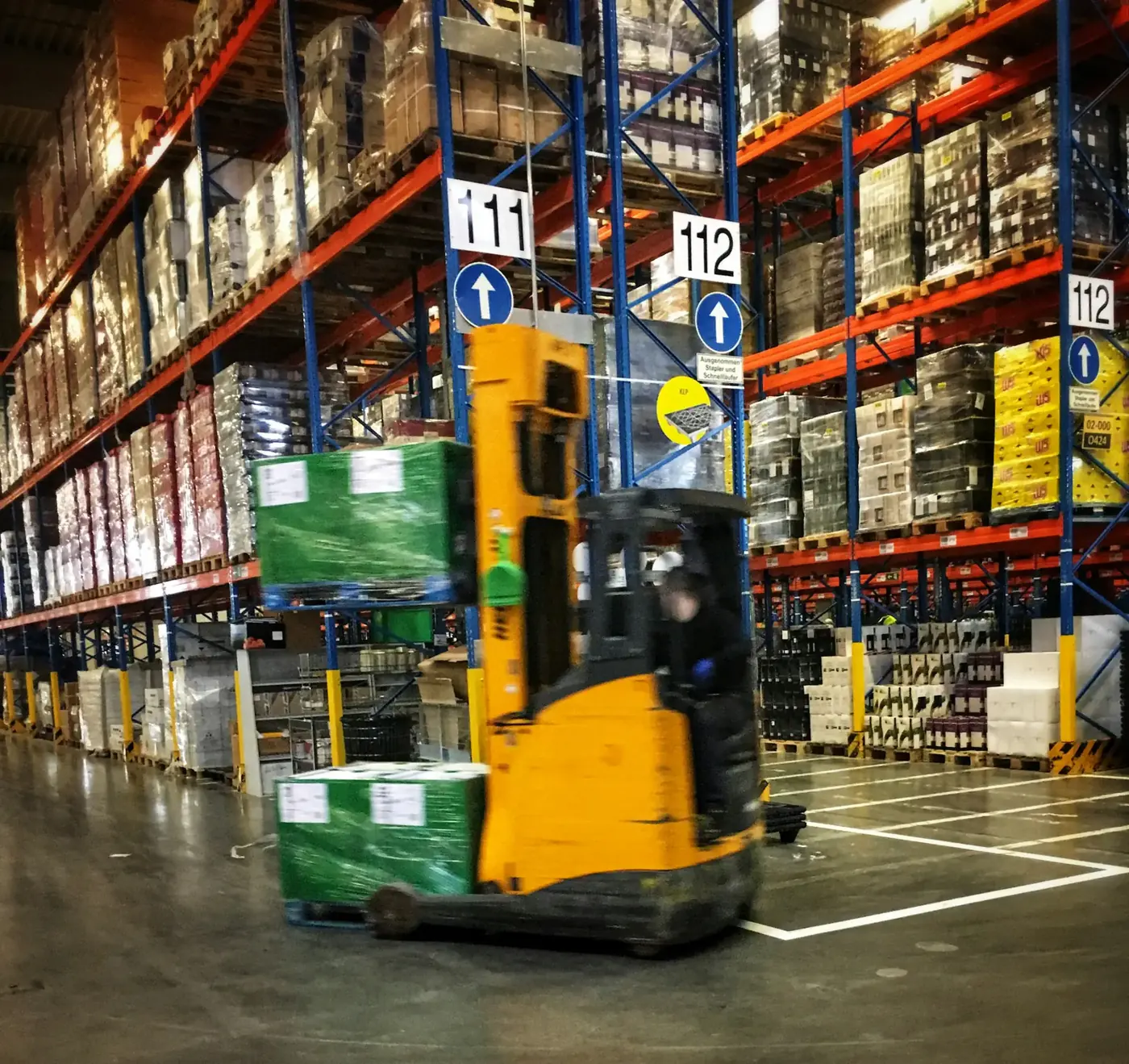
Lumber and Structural Materials
Distributors serving builders and trade accounts. Product-price movements, purchasing commitments, unit volume and gross-profit dollars need to be explained separately.
Building Materials Distribution Business Broker
You have built contractor relationships and an operation that keeps materials moving. We help prepare your building-materials distributor for buyer review and compare offers around supplier access, branch operations, property arrangements and the exit you want.
For distribution-led businesses supplying contractors, builders, dealers and trade customers. The relevant economics are product purchasing, supplier access, stocking, credit and delivery, even when the company also serves some retail customers.
Distributors serving builders and trade accounts. Product-price movements, purchasing commitments, unit volume and gross-profit dollars need to be explained separately.
Suppliers of roofing, siding, windows, doors and related systems. Customer mix, supplier programs, delivery capacity and special-order stock shape the buyer’s review.
Companies providing hardware, tools and jobsite materials to commercial accounts. Account profitability, credit discipline and dependable fulfillment matter beyond catalog breadth.
Specialized building-product distributors and branch networks. Location-level results, yard capacity, handling equipment and management coverage help explain the operating footprint.
Construction contractors, manufacturing-first companies and retail-only home centers are outside this page’s focus. Incidental retail sales do not automatically change a distribution-led business. Owned real estate and lease terms require separate consideration.
Updated September 28, 2026
We help organize the sale process. You supply the company facts, approve the direction and make the decisions about buyer discussions and offers.
Start with your product categories, customer types, locations, approximate scale and preferred future role. You do not need every financial schedule ready before an initial discussion. We first establish the operating model and the decisions you want help making.
Owners provide financials, sales and margins by category and location, receivables, stock records and supplier terms through an agreed process. We help identify material questions around pricing cycles, credit exposure, delivery recovery and branch performance before preparing buyer information.
Agree on positioning and proposed outreach. Buyers should be assessed for financial capacity, product fit, geography and management capability. Share identifying customer, supplier and employee information in stages under confidentiality controls; the owner retains the decision about offers and whether to proceed.
Review the treatment of yards, leases, vehicles, stock, receivables and working capital alongside payment terms. We support diligence coordination with your legal and accounting advisers. Plan the handoff of contractor relationships, purchasing, credit authority and branch supervision so the owner’s responsibilities are explicit.
The goal is a supportable business case. These records help a buyer understand how the company earns money, what it needs to operate and which relationships or responsibilities must transfer.
| What Buyers Review | Why It Matters | Records to Prepare |
|---|---|---|
| Commercial and Earnings Evidence | ||
| Commodity pricing and margin pass-through | Revenue may change with product prices; pricing discipline helps show whether cost changes were converted into sustainable gross profit. | Purchase-cost changes, selling-price changes, gross-profit dollars, margins, quotes, and freight recovery |
| Contractor and end-market concentration | Concentration may increase risk if one contractor, project type, or end market materially affects earnings or receivables. | Revenue and gross profit by customer type, account, project exposure, geography, and purchasing pattern |
| Suppliers and allocations | Reliable access may support continuity, while dependence on constrained or difficult-to-replace supply can increase uncertainty. | Purchasing by supplier, alternatives, allocation history, rebates, terms, agreements, and territory rights |
| Branches and yards | Productive locations may support service and coverage; underused or capital-intensive sites can affect transaction economics. | Location-level results, capacity, utilization, leases, property needs, handling systems, and maintenance |
| Operating Assets and Transferability | ||
| Fleet and delivery | Delivery capability may support customer retention, but weak cost controls or deferred fleet investment can reduce earnings support. | Vehicle condition, utilization, routing, maintenance, outsourced freight, and delivery-cost recovery |
| Inventory and seasonality | Usable inventory supports fulfillment; impaired or poorly controlled stock may affect working capital and closing terms. | Aging, turns, condition, damage, excess quantities, seasonal builds, and write-offs |
| Receivables, credit, and working capital | Slow collections or volatile operating requirements may increase the capital needed to maintain the represented level of business. | Aging, credit policies, bad debts, customer terms, payables, supplier terms, and seasonal needs |
| Management and owner dependence | Transferable management may support continuity; dependence on the owner for key decisions or relationships may increase transition risk. | Customer and supplier relationships, pricing authority, credit decisions, operations leadership, and succession |
Company-Specific Review
Strong sales need context. Examine sustainable profit, collectible accounts and the resources required to serve trade customers through changing purchasing cycles.
Reconcile selling-price changes with quantities sold and gross-profit dollars. Quote commitments, supplier incentives and delivery-cost recovery help explain whether higher revenue reflects stronger operations or primarily more expensive materials.
Contractor balances need a realistic assessment of collectability. Review disputes alongside seasonal purchases, damaged materials and special-order stock when considering the capital required to continue serving customers.
Separate business earnings from property arrangements and vehicle investment. Define what transfers and ongoing occupancy costs. Inventory, fleet and property are not automatic additions to earnings-based value; payment terms also affect proceeds.
Start with your company, your objectives and the questions you want to resolve. A free business valuation inquiry can help begin a discussion of fit and the financial and operating information needed for review.
Request a Free Business ValuationRead the Sector Valuation GuideAn inquiry does not create an engagement or guarantee a report, a price range or a sale.
Geographic overlap is only part of buyer fit. Consider funding, branch leadership and the proposed treatment of contractor service and supplier programs. Buyer categories can overlap.
Another supplier may evaluate your territory, product categories and contractor accounts. Examine plans for overlapping branches, yard capacity and deliveries, including whether supplier allocations or programs could continue after a combination.
An investor may seek a standalone operation or acquire through an existing platform. Assess who would control purchasing, contractor credit and branch performance, and how seasonal inventory and fleet requirements would be funded.
A qualified individual may intend to manage the business directly. Evaluate trade-supply experience, financing and the handoff of pricing, credit exceptions and yard supervision, especially where contractor relationships depend on you.
Buyer qualifications, continuing operations and the complete terms of an offer matter alongside price.
Decide what is included in the business sale and what may be retained, leased or negotiated separately. A buyer needs to understand yard capacity, lease terms, truck and handling-equipment condition, delivery costs and near-term investment. Property ownership does not remove the need to analyze occupancy costs on an ongoing basis.
Disputed contractor balances, project-specific stock, damage and seasonal purchasing can affect the closing working-capital calculation. Compare inventory treatment and customer-credit exposure alongside cash, seller financing, contingent payments and transition duties. The headline offer is only one part of the decision.
We help buyers understand the operation while keeping your objectives central. You approve outreach and decide whether proposed economics and transition commitments meet your needs.
We help explain changing sales and margins using your category and location records. Price effects, delivery recovery and contractor concentration should be distinguishable before buyers draw conclusions from headline revenue.
We bring yard access, leases, equipment and supplier continuity into the commercial discussion. Your advisors address required agreements while we track assumptions that could change the buyer’s proposal or operating plan.
We help compare payment terms with retained property, receivable exposure and post-sale duties. Clarifying responsibility for credit decisions, contractor accounts and branch oversight makes the personal commitment behind each offer easier to assess.
Start with basic company information, the products and customers you serve, your approximate scale and your goals. You do not need a complete diligence package to make an inquiry. Detailed financial, customer and supplier records should be shared only through an agreed process after fit is established.
Buyers may examine normalized earnings, product and customer margins, contractor concentration, supplier access, inventory, receivables, credit practices, working capital, branches, yards, delivery operations, management depth, and owner dependence. They may also consider commodity-price effects, end-market exposure, required capital investment, and which operating assets or liabilities are included in the transaction.
Commodity-price changes can affect revenue, gross margin, inventory costs, quotes, and purchasing decisions. Owners should be prepared to distinguish unit-volume changes from price-driven sales changes and explain how quickly costs were passed through to customers. The effect on valuation depends on actual gross profit, inventory exposure, pricing discipline, and company-specific operating evidence.
Inventory and working capital treatment depends on the proposed transaction. Buyers may examine inventory condition, aging, seasonality, receivables, payables, customer credit, and supplier terms. An earnings-based value does not automatically determine which operating assets and liabilities transfer. The amount delivered at closing is generally addressed through company-specific negotiation and documentation.
Contractor concentration and receivables matter because a large customer loss, delayed payment, dispute, or bad debt may affect both earnings and available cash. Buyers may examine revenue and gross profit by account, receivables aging, credit limits, payment patterns, project exposure, collection history, and whether important relationships depend on the owner.
Your products, customers, suppliers, people and operating requirements should shape the sale process. Tell us about the company and the outcome you want to explore.