
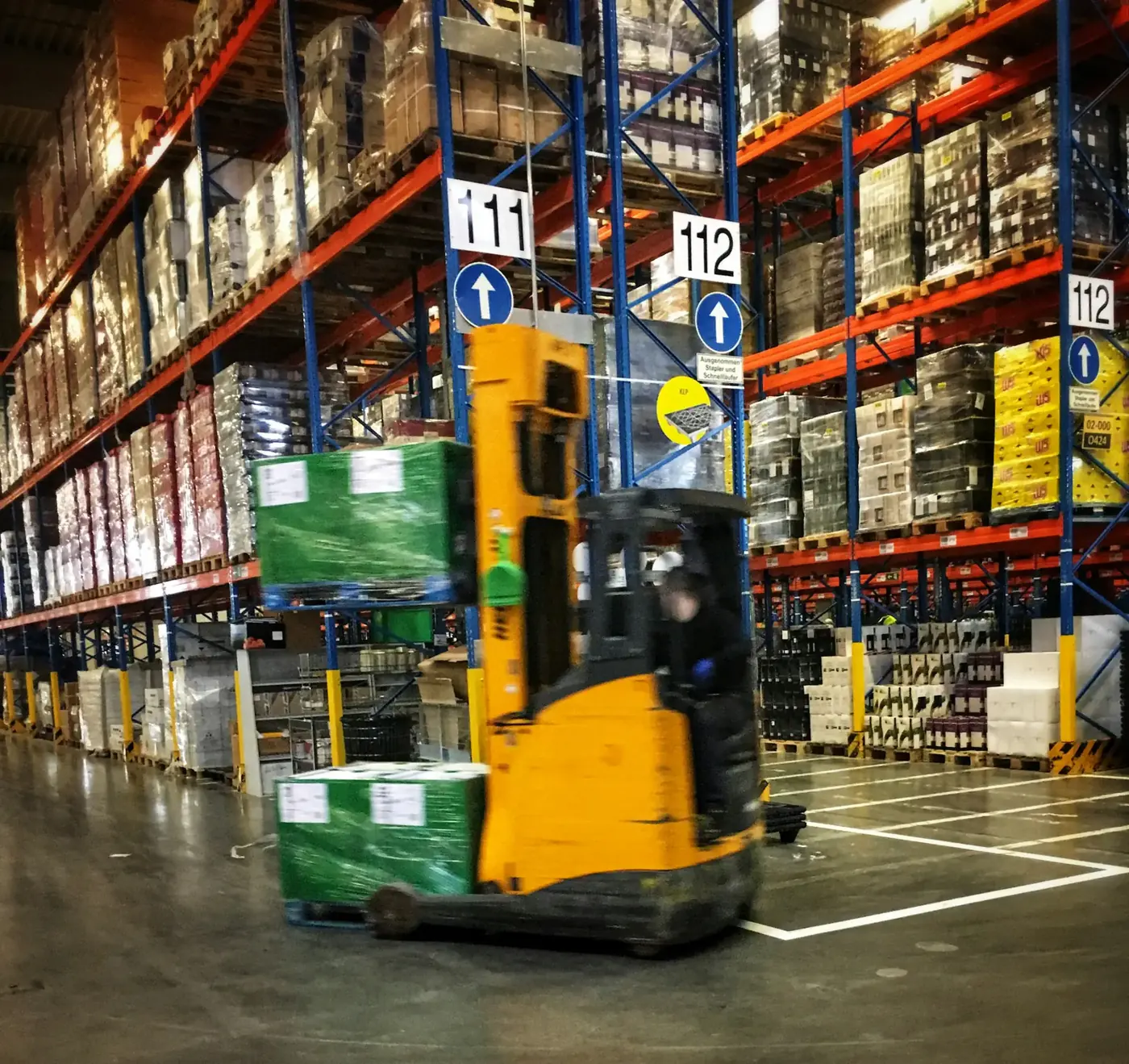
Foodservice and Broadline
Companies supplying restaurants, hospitality and institutional kitchens. Buyers need to understand account retention, order frequency, delivery windows and the margin left after serving each route.
Food & Beverage Distribution Business Broker
You have built customer routes, supplier relationships and an operation that keeps orders moving. We help you prepare for a sale, evaluate potential buyers and negotiate terms around your goals, with attention to route margins, shelf life and cold-chain operations where applicable.
For owners of established distribution-led companies supplying foodservice operators, retailers, institutions and other commercial customers. The sale is of the operating business, including the relationships and systems that keep products available and deliveries dependable.
Companies supplying restaurants, hospitality and institutional kitchens. Buyers need to understand account retention, order frequency, delivery windows and the margin left after serving each route.
Distributors whose value depends on product access, category knowledge and customer requirements. Supplier continuity, import responsibilities and alternative sources need a clear explanation.
Produce and temperature-sensitive distribution models. Shelf life, shrink, handling controls, cold-storage capacity and fleet condition belong alongside the financial record.
Beverage, convenience and grocery suppliers. Route density, territory arrangements, promotional support and category-specific licensing can influence a transfer.
This page concerns business sales, not food-product brokerage, restaurants or manufacturing-led businesses. License and permit requirements depend on products, activities and jurisdiction; do not assume they transfer automatically.
Updated September 28, 2026
A sale needs to account for daily service as well as financial results. These four stages connect preparation with buyer review and the handoff. Some work overlaps, particularly supplier approvals and transition planning.
Start with your preferred exit, timing and responsibilities after closing. We review available financial and operating information, including route margins after delivery costs, spoilage, inventory shelf life and supplier rights. An initial inquiry needs basic company details; detailed records follow through an agreed process.
We organize a clear account of customer demand, product mix and fulfillment, including cold-chain requirements where relevant. We assess potential buyers’ financial capacity and ability to sustain service. You approve outreach and disclosure boundaries before discussions begin; information is shared in stages.
We help compare price with payment structure, included inventory, normal working capital and your transition commitments. Shelf life, supplier credits and stock ownership need clear treatment. Earnouts depend on future conditions, seller financing carries repayment risk and retained equity remains an investment.
We coordinate buyer requests and outstanding matters with you and your advisors. Review supplier consents, applicable licensing requirements, stock counts and closing adjustments without assuming rights transfer automatically. Plan who will manage purchasing, routes, warehouse controls and key relationships after closing.
The goal is a supportable business case. These records help a buyer understand how the company earns money, what it needs to operate and which relationships or responsibilities must transfer.
An initial inquiry needs basic company details; detailed records follow through an agreed process.
| What Buyers Review | Why It Matters | Records to Prepare |
|---|---|---|
| Commercial and Earnings Evidence | ||
| Customer and route contribution | High sales can hide delivery-intensive accounts. Recurring orders also need evidence of retention, not an assumption of contracted revenue. | Sales and gross profit by customer, route and category; delivery and fuel costs, service windows and retention history. |
| Supplier access and territories | Product continuity and purchasing economics can change if a key relationship or territory cannot continue after the sale. | Supplier agreements, terms, rebates, allocations, exclusivity, import responsibilities and consent requirements. |
| Margin and credit quality | Freight, promotions, returns and credits can alter the earnings shown by a simple product-margin report. | Category margins, freight recovery, rebate calculations, customer credits and proposed earnings adjustments. |
| Stock quality and shelf life | Short-dated, spoiled, damaged and slow-moving stock can affect both accepted inventory and operating cash. | Counts, costing, aging, shelf life, shrink, spoilage, consignment and supplier-credit records. |
| Operating Assets and Transferability | ||
| Cold-chain and delivery assets | Capacity, condition and near-term investment affect whether the buyer can maintain dependable service. | Warehouse and refrigeration details, fleet records, maintenance, leases and outsourced-carrier arrangements. |
| Traceability and product handling | Documented routines help explain how the company handles exceptions, returns and product issues under its applicable requirements. | Relevant temperature, lot, receiving, shipping, complaint and recall records; roles and training. |
| Operating capital | Stocking products and extending customer credit consume cash. Seasonal needs should be visible before terms are agreed. | Inventory, receivables and payables aging, payment terms, purchasing cycles and seasonal patterns. |
| People and transfer approvals | Key accounts, purchasing and operating knowledge must continue beyond the owner. Required permissions are company-specific. | Management responsibilities, account coverage, owner duties and applicable licenses, permits and transfer questions. |
Company-Specific Review
A useful value discussion connects earnings with the stock, relationships and operating cash needed to keep customers supplied.
Review what remains after product costs, delivery, fuel, credits and normal spoilage. Account and route contribution help explain which sales support earnings and where service demands absorb margin.
Shelf life, ownership, condition and supplier return rights affect inventory treatment. Separate saleable stock from dated, spoiled or consigned goods. Inventory is not automatically added to an earnings-based value.
Seasonal purchasing, customer collections and supplier terms affect working-capital needs. Agreed closing balances and payment terms influence what you receive. Explore these distinctions in our food distribution business valuation guide.
Start with your company, your objectives and the questions you want to resolve. A free business valuation inquiry can help begin a discussion of fit and the financial and operating information needed for review.
Request a Free Business ValuationRead the Sector Valuation GuideAn inquiry does not create an engagement or guarantee a report, a price range or a sale.
Buyer categories can overlap. Assess financial capacity, operating fit and transition expectations rather than relying on a buyer’s stated interest.
Another distributor may evaluate customer overlap, route coverage and facility capacity. Consider how integration would affect delivery commitments, supplier relationships and cold-chain handling where applicable.
An investment buyer may need management to remain in place. A private-equity-backed distributor may also pursue an add-on acquisition. Clarify leadership expectations, funding and any request to retain equity.
A qualified individual may plan to run the company personally. Evaluate operating experience, financing and the handoff needed for purchasing, key accounts, warehouse controls and daily delivery decisions.
Buyer qualifications, continuing operations and the complete terms of an offer matter alongside price.
An offer needs to state what happens to saleable inventory, receivables, payables and normal working capital. Short-dated stock, supplier credits and spoilage reserves can become closing issues. Compare cash at closing with seller financing, contingent payments and the obligations attached to each; a headline price does not describe all of the economics.
Identify the licenses, permits, registrations, contracts and responsible people relevant to your products and activities. Qualified legal and regulatory advisers should confirm any notice, consent or reapplication requirements. Buyers also need evidence that temperature control, product tracing, returns and recall responsibilities can continue after the owner steps back.
We organize the sale work and help you evaluate choices. You decide whether to proceed, approve outreach and accept terms.
We connect financial results with route performance, product mix and inventory records, identifying questions buyers will need answered and evidence you can prepare.
We assess buyer fit and coordinate information requests within owner-approved disclosure boundaries. Supplier consent requirements and service continuity remain part of the discussion.
We help weigh payment structure, inventory treatment, working capital and transition commitments, coordinating with your legal and tax advisors as transaction decisions arise.
Start with basic company information, the products and customers you serve, your approximate scale and your goals. You do not need a complete diligence package to make an inquiry. Detailed financial, customer and supplier records should be shared only through an agreed process after fit is established.
Prepare financial and operating records, assess buyer fit, compare the full offer terms and coordinate diligence and the handoff. Food distributors also need to address route economics, shelf life, supplier rights and product-handling responsibilities where applicable. The four-stage process above explains how we help.
An initial review normally focuses on financial performance, gross-margin quality, customer and supplier concentration, inventory and working-capital needs, facilities and logistics, food-safety and licensing records, management depth, owner responsibilities, and whether the company’s relationships and operating routines can transfer.
Potential buyers may include strategic distributors, foodservice or specialty operators expanding products or geography, private-equity-backed platforms, family offices, and qualified individual buyers. The right group depends on the company’s size, category, channels, customer base, supplier relationships, facilities, leadership, and transition needs.
The treatment depends on the negotiated transaction. The parties need reliable records for quantities, costs, aging, shelf life, receivables, payables, and normal operating requirements. The purchase agreement should define what is included, how it will be measured, and how any closing adjustment will be resolved.
Your products, customers, suppliers, people and operating requirements should shape the sale process. Tell us about the company and the outcome you want to explore.