
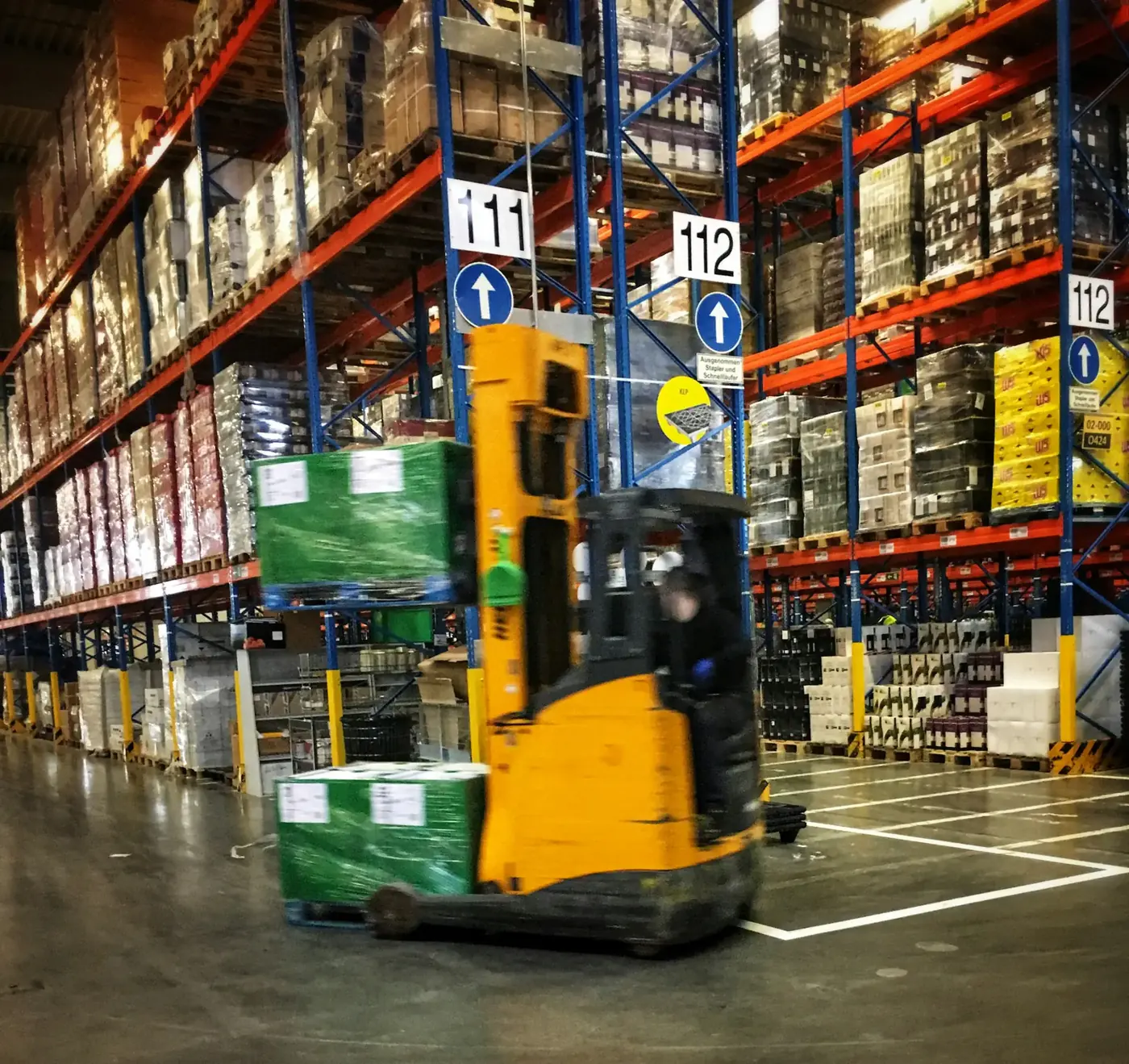
Maintenance and Industrial Supply
Maintenance, repair and operations (MRO) suppliers serving plants and commercial facilities. Distinguish repeat replenishment from orders tied to individual projects or shutdowns.
Industrial Distribution Business Broker
Your customers rely on the right parts, knowledgeable people and dependable supply. We help prepare your industrial distributor for sale, assess potential buyers and compare terms with your goals for stepping back.
For companies that purchase, stock, sell and support industrial products. Light assembly, kitting or technical support can sit alongside distribution, but product access, inventory, fulfillment and customer relationships should remain central to the business.
Maintenance, repair and operations (MRO) suppliers serving plants and commercial facilities. Distinguish repeat replenishment from orders tied to individual projects or shutdowns.
Distributors of cutting tools, fasteners, safety products and specialized parts. Product knowledge, product margins and stock availability can be important reasons customers stay.
Businesses supplying technical product lines. Authorized status, applications support, vendor relationships and who owns the customer relationship deserve focused review.
Operators providing kitting, configuration, light assembly or related support, including branch networks. Show the economics of each activity and the team that runs it.
This page covers distribution-led companies, not manufacturing-first businesses, freight brokers or product-sourcing services. Mixed operations should be described as they actually work, rather than forced into an industry label.
Updated September 28, 2026
We help organize the sale process. You supply the company facts, approve the direction and make the decisions about buyer discussions and offers.
Begin with product categories, customer industries, locations, approximate scale and your preferred transition. A complete data room is not required for a first conversation. We use that discussion to assess fit and identify the records that matter to your operating model.
Owners provide financials, product and customer margins, inventory aging and vendor documents through an agreed process. We help organize a consistent business presentation and identify questions around rebates, project mix, branch results and technical services before buyers encounter them.
Agree on positioning and proposed buyer outreach before sensitive information is shared. Qualification should consider financing, product-line fit, management needs and conflicts. Customer identities, vendor pricing and employee details should be disclosed in stages with confidentiality controls, not placed in an initial public description.
Review offers against your objectives, including inventory, working capital, financing and your future role. We support the process of answering diligence questions alongside your legal and accounting advisers. Plan how technical accounts, purchasing authority and branch leadership will work after a sale.
The goal is a supportable business case. These records help a buyer understand how the company earns money, what it needs to operate and which relationships or responsibilities must transfer.
| What Buyers Review | Why It Matters | Records to Prepare |
|---|---|---|
| Commercial and Earnings Evidence | ||
| Customer and end-market concentration | Concentration may increase risk if the loss of one relationship or a downturn in one end market would materially affect earnings. | Revenue and gross profit by customer, industry, location, and purchasing pattern |
| Suppliers and vendor lines | Important vendor access may support continuity, while dependence on a difficult-to-replace line can increase diligence risk. | Purchasing by supplier, authorization status, alternatives, pricing terms, and transferability |
| Rebates | Rebates may materially affect gross profit, but their durability depends on documented terms and future purchasing levels. | Rebate calculations, thresholds, timing, accounting treatment, and change-of-control provisions |
| Product and margin mix | Product-level analysis can distinguish durable margin contribution from volume that produces limited economic benefit. | Sales, gross profit, velocity, and pricing by product family or product group |
| Operating Assets and Transferability | ||
| Inventory | Inventory quality may affect working-capital requirements, closing adjustments, and the amount of stock a buyer accepts. | Aging, turns, obsolescence, damage, excess quantities, customer-specific stock, and write-offs |
| MRO and project demand | Recurring demand may provide visibility, while project-dependent sales can create timing and forecasting uncertainty. | Recurring maintenance purchases, replacement demand, project orders, backlog, and order volatility |
| Technical sales and value-add | Transferable capabilities may strengthen customer retention; dependence on one individual may weaken it. | Product knowledge, applications support, quoting, kitting, assembly, configuration, and service contribution |
| Infrastructure and reporting | Suitable infrastructure can support continuity, while weak systems or deferred investment may require additional capital. | Branches, warehouse capacity, fleet, Inventory and accounting data, inventory controls, and reporting consistency |
Company-Specific Review
Distinguish repeat maintenance purchases from project activity, then consider the people, vendor arrangements and operating resources behind those earnings.
Separate maintenance purchases from project orders. Examine backlog margins and cancellation rights, and account for the labor behind kitting, configuration and technical support.
Recorded rebates do not establish future eligibility. Review purchase thresholds, authorized lines and consent requirements alongside the cost of replacing the owner’s sales or purchasing work.
Customer-specific and superseded parts differ from replenishment stock. Define ownership, working-capital needs and necessary investment. Inventory is not automatically added to earnings-based value; payment terms also affect seller proceeds.
Start with your company, your objectives and the questions you want to resolve. A free business valuation inquiry can help begin a discussion of fit and the financial and operating information needed for review.
Request a Free Business ValuationRead the Sector Valuation GuideAn inquiry does not create an engagement or guarantee a report, a price range or a sale.
Technical capability and vendor compatibility matter alongside funding. Buyer categories can overlap, so examine the operating plan and your expected role.
Another distributor may seek product expertise or customer access. Review competing vendor lines, account coverage and branch integration before assuming a combination would preserve existing commercial arrangements.
An investor may seek a standalone business or an addition to an existing platform. Clarify who would lead branches, retain technical knowledge and fund inventory, including your expected involvement.
A qualified owner-operator may need a substantial knowledge handoff. Assess financing and operating experience, then establish how technical accounts, quoting exceptions and purchasing decisions would be handled without you.
Buyer qualifications, continuing operations and the complete terms of an offer matter alongside price.
Review authorized lines, rebate thresholds, special-pricing arrangements and any change-of-control conditions before treating supplier economics as transferable. Document customer coverage, quoting authority and technical responsibilities. A purchase agreement cannot by itself guarantee that vendors, key staff or customers will stay.
Customer-specific, superseded and slow-moving stock may be treated differently from current replenishment inventory. Compare inventory inclusions, receivables, payables and the operating-capital target with cash at closing, financing, contingent payments and transition duties. The best-looking price may carry different costs or risks.
We help turn operating detail into information buyers can evaluate. You set objectives, approve outreach and decide which terms are acceptable.
We help organize branch, product and service results so buyers can distinguish repeat demand from unusual projects. Your records support the explanation; gaps and proposed earnings adjustments remain visible.
We coordinate questions about vendor pricing, technical accounts and customer identities within agreed disclosure boundaries. Product-line conflicts and supplier consent requirements deserve attention before buyers receive deeper access.
We help compare offers against the work you would retain, from vendor introductions to technical-account coverage. Alongside your legal and accounting advisors, we coordinate commercial questions and outstanding buyer requests.
Start with basic company information, the products and customers you serve, your approximate scale and your goals. You do not need a complete diligence package to make an inquiry. Detailed financial, customer and supplier records should be shared only through an agreed process after fit is established.
Customer concentration may affect buyer interest, valuation support, diligence, and transaction terms when a small number of accounts generate a material share of revenue or gross profit. Its significance depends on retention history, purchasing patterns, contracts, end-market exposure, profitability, relationship transferability, and the owner’s role in maintaining those accounts.
Supplier relationships and authorized vendor lines may affect access to products, pricing, rebates, territory rights, and customer retention. Buyers may examine whether important arrangements can continue after a sale, whether performance requirements apply, and whether credible alternatives exist. A valuable line can support the business, but dependence on one supplier may also increase risk.
Inventory and working capital treatment depends on the transaction. Buyers may examine inventory aging, obsolescence, customer-specific stock, receivables, payables, seasonality, and supplier terms. An earnings-based value does not automatically determine which operating assets or liabilities transfer. The amount delivered at closing is generally addressed through negotiated deal terms.
An owner should prepare recent financial statements and tax returns, normalization support, customer and supplier concentration schedules, product-level sales and margin reports, inventory aging, receivables and payables aging, vendor and rebate agreements, branch and equipment information, management responsibilities, and known operating or capital needs.
Your products, customers, suppliers, people and operating requirements should shape the sale process. Tell us about the company and the outcome you want to explore.